.jpg)
1. Defining Safety
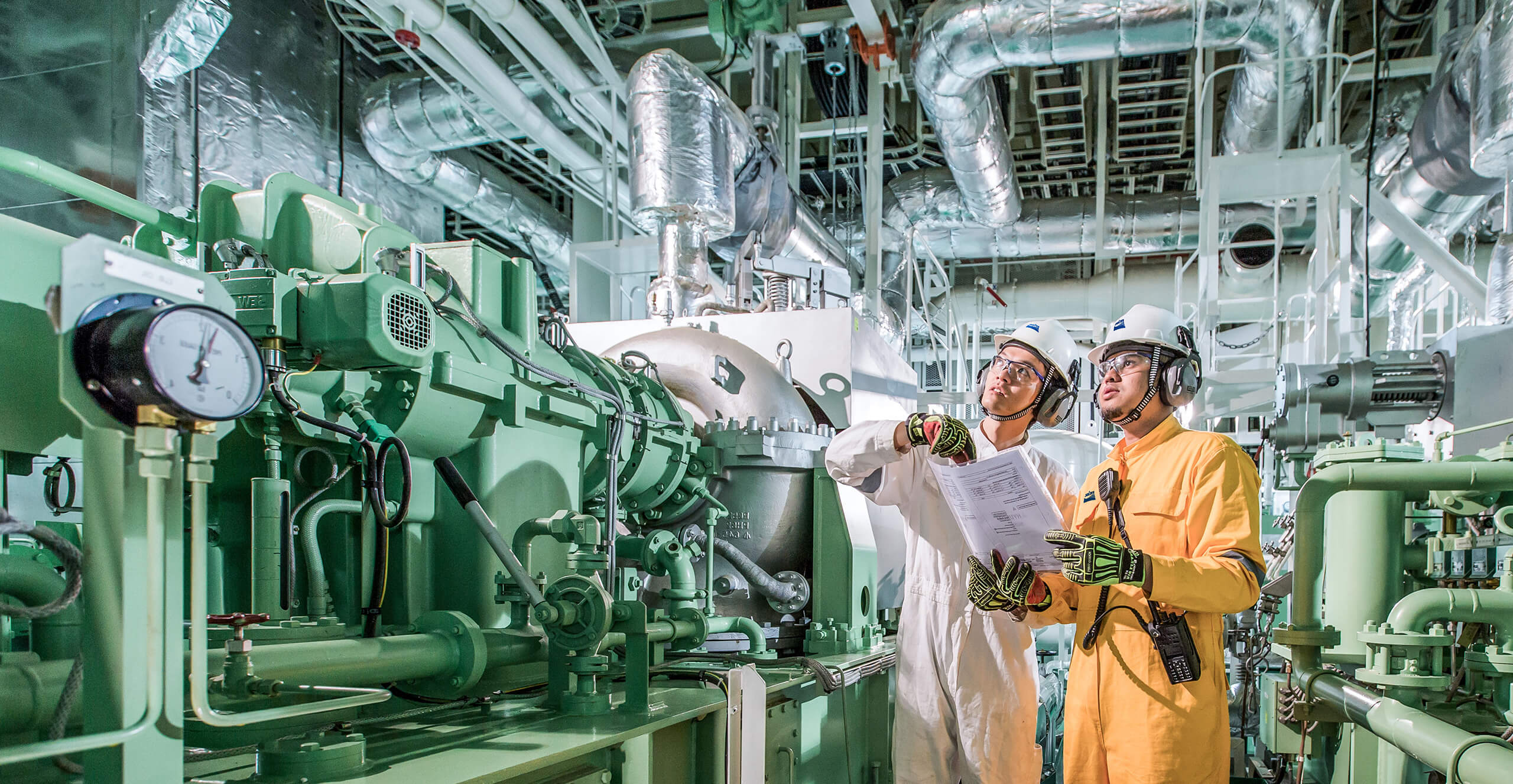
Safety at its core has played a prominent role in a diversity of industries for years, including the maritime industry. Generally, it is a state of being free from harm or danger, achieved through proactive management of workplace risks to protect employees, resources, and the company itself from injuries, illnesses, and accidents.
2. Evolution of Safety
Over the decades, safety culture at sea or maritime safety, has progressed from compliance-based to proactivity, and now, gradually moving towards a generative culture where safety shapes every action. The ISM Code of the late 1990s exemplified the shift from regulation to systematic safety management. Research (Cambridge University Press, 1990) showing that organisations evolve toward generative cultures grounded in learning and trust.
This evolution has made it clear that safety alone is not enough as the aspects of health, security, and environmental protection must also be integrated. This is where Generative HSSE comes in.
3. What is Generative HSSE
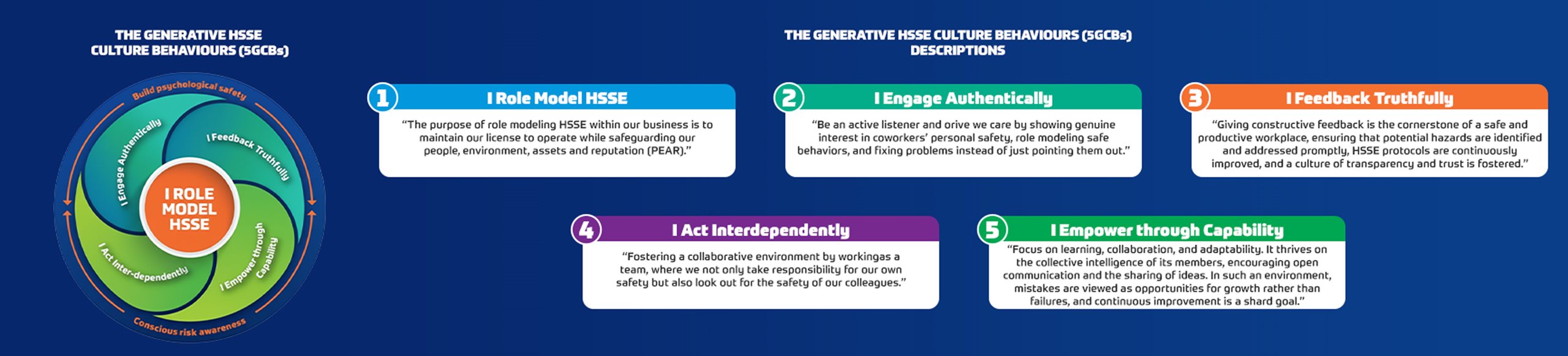
Generative HSSE represents a deeply ingrained and self-driven safety culture, where everyone from leadership to frontline workers share collective ownership of health, safety, security, and environmental responsibilities by doing the right things right, even when no one is watching. It reflects an organisation’s wholesome commitment to becoming a high-reliability organisation, where HSSE is fully embedded into daily work activities. The framework itself encompasses Health, which focuses on employee well-being; Safety, which ensures a safe workplace free from accidents and injuries; Security, which protects people, assets, and operations from threats; and Environment, which promotes sustainable practices and minimises ecological impact.
4. Pressing Concerns in Implementing Generative HSSE
Based on current observations, several key challenges facing the maritime industry ought to be addressed early to avoid delays in implementing Generative HSSE. These include:
- Creating a Program & Instilling Culture: The maritime sectors have large and diverse workforces, making it challenging to foster a culture that resonates with everyone and ensures consistent HSSE practices.
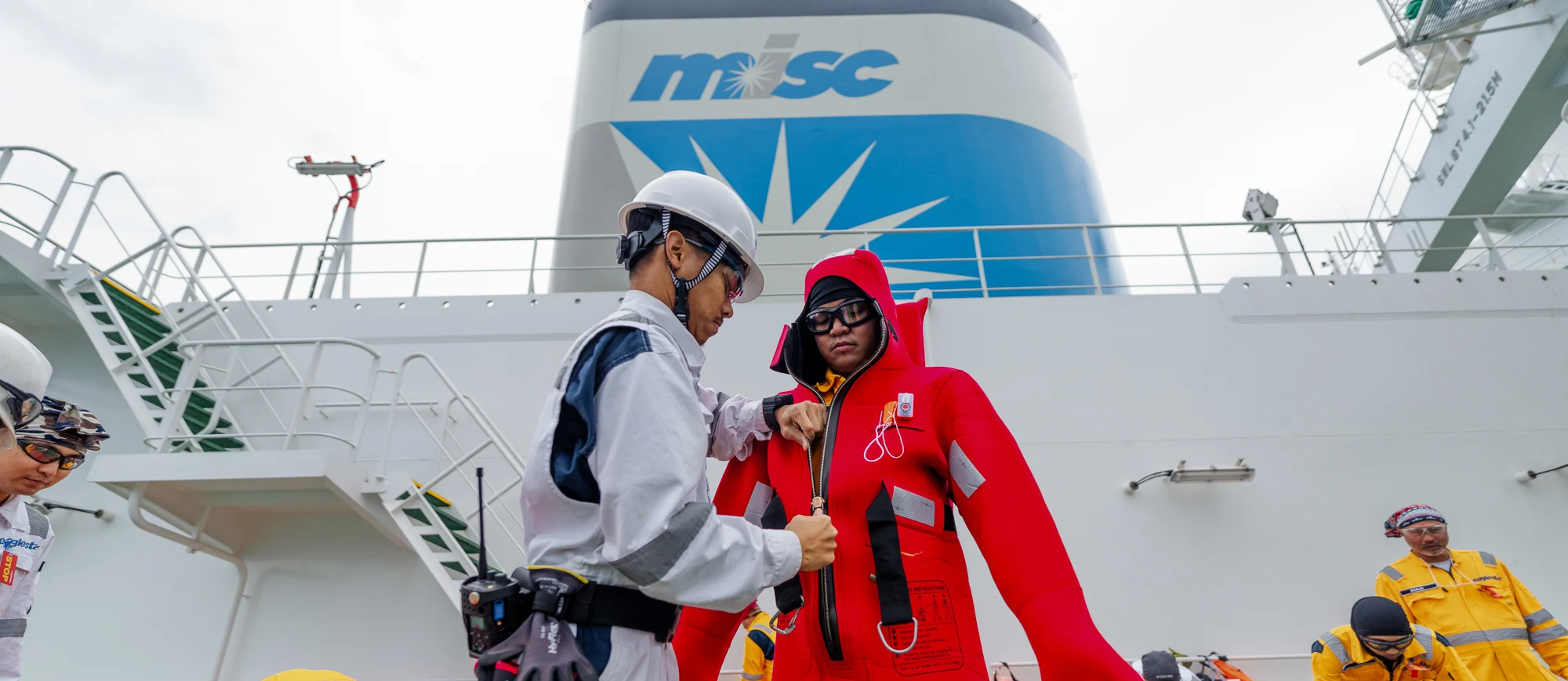
- Addressing Remote Work Realities: Offshore workers often face long periods away from loved ones, erratic schedules, and limited personal space. These factors can strain emotional well-being over time, thereby bringing about potential challenges.
- Rising Work-Life Expectations: Today’s workforce places greater value on work-life balance, requiring the industry to adapt in promoting sustained physical and emotional well-being.
5. MISC’s Holistic Generative HSSE Approach
MISC’s holistic approach to HSSE spans three key dimensions: People, Technology, and the Environment. This includes leveraging Artificial Intelligence (AI) to make HSSE knowledge and data more accessible, while also strengthening support for the emotional and physical wellbeing of maritime professionals.
Recognising that safety extends beyond systems and procedures, MISC’s Generative HSSE concept is grounded in a human-first mindset, viewing seafarers as individuals with unique needs and aspirations. Through initiatives that empower rather than instruct, such as personal wellness support, MISC ensures that wellbeing remains at the core of every safety decision.
On the environmental front, MISC is advancing decarbonisation through the planned deployment of zero-emission vessels by 2030 and fully decarbonised shipping operations by 2050, aligning with its ambition to achieve net-zero GHG emissions. Its commitment also extends to preserving marine biodiversity through efforts such as the Mersing Islands Reef Conservation and the Heart of The Ocean (HOTO): Dugong Conservation Programme. Ultimately, HSSE at MISC goes beyond compliance—it is about protecting lives, preserving oceans, and ensuring a sustainable future for the maritime industry.
6. Partnership & Recognition
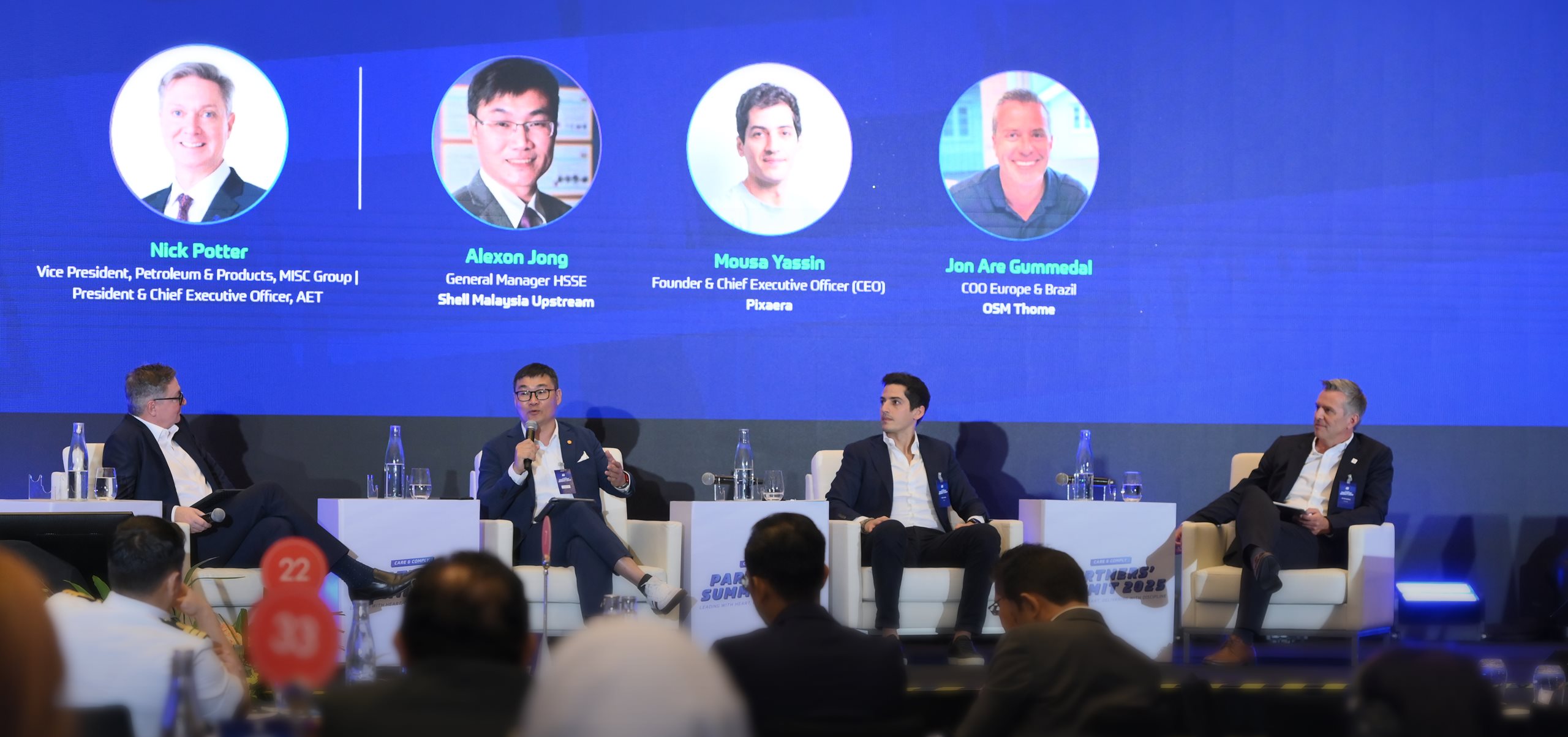
Partnerships are essential towards advancing Generative HSSE. MISC works with regulators, industry bodies, contractors, and vendors to raise safety standards across the maritime sector. These collaborations foster openness and transparency, earning certifications and recognition that affirm MISC’s leadership while ensuring safety benefits the wider maritime ecosystem.
Some industrial peers have since been moving from standalone Permit-to-Work (PTW) systems to integrated Control-of-Work and risk-based frameworks, reflecting a broader trend of embedding best practices into systemic safety management.
At MISC, a suggested approach would be to share scenarios across entities for lateral learning, enabling each to assess applicability, adapt to their assets, provide feedback, and consolidate insights at group level for effective implementation and follow-up.
7. Looking Ahead
Moving forward, integrating Generative HSSE into maritime operations will require both agility and foresight. As technology evolves and the workforce becomes more diverse, MISC aims to embed safety within innovation and human capital strategies, strengthening digital solutions while maintaining the human touch, inspiring leadership across generations, and keeping seafarers at the heart of every decision.
By leveraging growing incident and near-miss data, the focus can shift from prescriptive to predictive systems that forecast risks related to human error, equipment, weather, and fatigue, enabling proactive interventions through a generative safety culture before incidents occur.
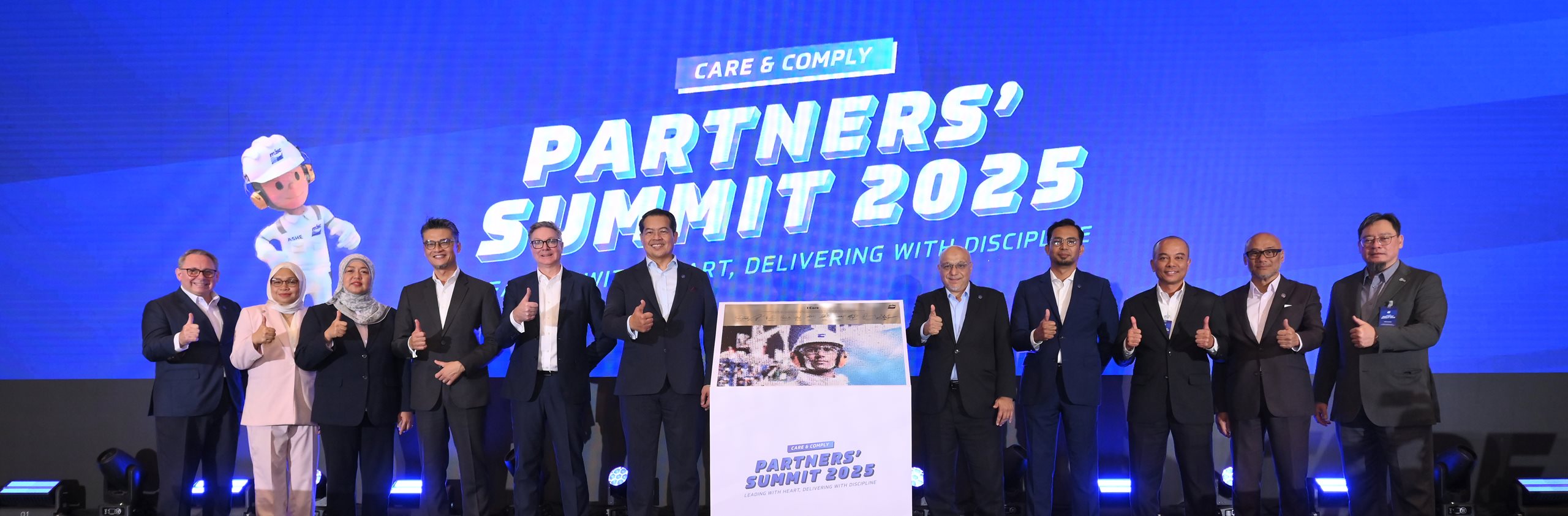
“The future of maritime is built on safeguarding lives and uniting safety with performance. With 70% of MISC incidents tied to non-compliance, ‘Care & Comply’ must be our guiding principle to reduce these numbers.”
“At MISC, our prescriptive approach to Generative Safety means setting clear expectations and empowering our people to act with confidence. With the HSSE roadmap as our crystal ball, we can perceive a future where predictive tools can help us anticipate and prevent risks before they arise.”
- Shairizal Badzri, Head Group HSSE of MISC
8. Conclusion
Generative HSSE culture is key to building resilient, trusted, and future-ready organisations. Without trust and transparency, corporate integrity weakens. By putting people first, embedding safety, and adopting predictive tools, MISC protects lives while empowering its workforce to perform.
We move with safety. We move towards tomorrow.
This article was written based on these references:
1. Energy Institute. (2004). Hearts & Minds: Understanding your HSE culture (Hearts & Minds toolkit). Energy Institute.
https://heartsandminds.energyinst.org/
2. Reason, J. T. (1990). Human Error. Cambridge University Press.
https://www.cambridge.org/highereducation/books/human-error/281486994DE4704203A514F7B7D826C0?
3. Guldenmund, F. W. (2000). The nature of safety culture: a review of theory and research. Safety Science, 34(1–3), 215–257. (See also Guldenmund’s Delft contributions on “Understanding and exploring safety culture”.)
https://research.tudelft.nl/files/57036677/Safety_culture_FWG.pdf?